Friday, April 1, 2022

Seattle International Film Festival: Apr 14 - 24


Two full years have elapsed since the region declared a public health emergency and cultural venues shut their doors. This past fall and winter saw a return to regular theatrical programming for the regional independent Seattle cinemas.  After the 2020 edition was cancelled outright, and the 2021 edition shifted to online virtual exhibitions, the Seattle International Film Festival returns to in-person programming for the first time since 2019. Globally it has also been a succession of years wherein festival programmers have either indefinitely postponed their programs, or shifted to online virtual settings. With dropping infection rates, and widely available vaccines, 2022 is the first season in which many festivals have finally opened their programs to in-person settings. The fall, winter, and spring season's most notable festivals, taking place in Locarno, Venice, Rotterdam, Berlin, and last summer's Cannes and Toronto have presented the richness of their spoils in cinemas. These were shared content agendas that once had prominence within SIFF, on occasion even approaching the programming on offer in cities like Chicago and New York. Those times though, are now decades in the past. That said, it's worth noting that this year's festival isn't as painfully omissive as 2011 or 2010 for that matter. We saw a string of years that suggested relief from the lackluster programming described above, which waned a bit in 2012 and expressed a further positive direction in 2013. For the 2014 festival, their 40th Anniversary was celebrated with SIFF's strongest programming in almost a decade, suggesting a renewed vision for the festival. Both 2017 and 2018 also saw a nominal return to the strength of seasons past. Those years marked a trend away from the previously seen glut of middle-ground postmodern contemporary romances and knowingly-clever dramas seemingly conceived for the Sundance and SXSW sects.

One can speculate that this middle road approach to programming, clearly expressed by the programming of the 2015 festival and 2016 after it, has been conceived to entice some imagined Northwest demographic out of their suburban hobbles and inner-city condos. One can't help but consider these factors alongside the changing economic and cultural landscape of Seattle and what may be SIFF's conception of programming that corresponds to these changes. For decades, Seattle International Film Festival existed as a focal point of visionary cinema curatorialship, with the resources, funds and legacy to be a hugely influential institution. Annually, looking to San Francisco and Vancouver, one bears witness to these institutions programming festivals of a caliber that SIFF has seemingly un-learned. Even our neighbors in the relatively rural setting of the Orcas Island Film Festival are more incisive and discriminating in their assembly of a quality festival. Yet there remain a small handful of legitimate, original, well crafted films to be found in here too. Largely culled from the Midnight Adrenaline, WTF, Alternate Cinema, Documentary Films, and Asian Crossroads sections. This year I was able to generate a little more than a dozen films of interest, curiosity or critical gravitas from the full festival program. These run the spectrum from directors of note, archival restorations and new developing artists. A good percentage of the films listed below are simply of interest, rather than what could be considered essential viewing. Nonetheless, I continue to be enthused about their home at the SIFF Cinema Uptown and expanded programming seen since their reopening after the initial pandemic hiatus, on screens at SIFF Cinema Egyptian and the SIFF Film Center.

--------------------------------------------------
Friday, April 15
--------------------------------------------------

1:30 PM - Ursula Meier "The Line"
SIFF Cinema Uptown

https://www.siff.net/festival/the-line-x27389

--------------------------------------------------
Friday, April 15
--------------------------------------------------

6:15 PM - Toshimichi Saito "The Pursuit of Perfection"
AMC Pacific Place 11

https://www.siff.net/festival/the-pursuit-of-perfection

--------------------------------------------------
Saturday, April 16
--------------------------------------------------

12:00 PM - Kaltrina Krasniqi "Vera Dreams of the Sea"
SIFF Cinema Uptown

https://www.siff.net/festival/vera-dreams-of-the-sea

--------------------------------------------------
Saturday, April 16
--------------------------------------------------

7:00 PM - Norbert Pfaffenbichler "2551.01"
SIFF Film Center

https://www.siff.net/festival/255101

--------------------------------------------------
Sunday, April 17
--------------------------------------------------

9:45 PM - Fruit Chan "Coffin Homes"
SIFF Cinema Egyptian

https://www.siff.net/festival/coffin-homes

--------------------------------------------------
Monday, April 18
--------------------------------------------------

6:30 PM - Roger Michell "The Duke"
SIFF Cinema Uptown

https://www.siff.net/festival/the-duke

--------------------------------------------------
Monday, April 18
--------------------------------------------------

9:00 PM - Peter Strickland "Flux Gourmet"
SIFF Cinema Egyptian

https://www.siff.net/festival/flux-gourmet

--------------------------------------------------
Monday, April 18
--------------------------------------------------

9:00 PM - Céline Sciamma "Petite Maman"
SIFF Cinema Uptown

https://www.siff.net/festival/petite-maman

--------------------------------------------------
Tuesday, April 19
--------------------------------------------------

3:00 PM - Nadav Lapid "Ahmed’s Knee"
Ark Lodge Cinemas

https://www.siff.net/festival/aheds-knee

--------------------------------------------------
Tuesday, April 19
--------------------------------------------------

6:30 PM - Panah Panahi "Hit the Road"
SIFF Cinema Uptown

https://www.siff.net/festival/hit-the-road

--------------------------------------------------
Tuesday, April 19
--------------------------------------------------

9:00 PM - Tan Chui Mui "Barbarian Invasion"
AMC Pacific Place 11

https://www.siff.net/festival/barbarian-invasion

--------------------------------------------------
Wednesday, April 20
--------------------------------------------------

6:30 PM - Masaaki Yuasa "Inu-Oh"
SIFF Cinema Egyptian

https://www.siff.net/festival/inu-oh

--------------------------------------------------
Wednesday, April 20
--------------------------------------------------

9:30 PM - Kornél Mundruczó "Evolution"
AMC Pacific Place 11

https://www.siff.net/festival/evolution

--------------------------------------------------
Thursday, April 21
--------------------------------------------------

1:15 PM - Fabrice du Welz "Inexorable"
SIFF Cinema Egyptian

https://www.siff.net/festival/inexorable

--------------------------------------------------
Thursday, April 21
--------------------------------------------------

1:30 PM - Hong Sang-soo "In Front of Your Face"
AMC Pacific Place 11

https://www.siff.net/festival/in-front-of-your-face

--------------------------------------------------
Thursday, April 21
--------------------------------------------------

3:45 PM - François Ozon "Everything Went Fine"
SIFF Cinema Uptown

https://www.siff.net/festival/everything-went-fine

--------------------------------------------------
Friday, April 22
--------------------------------------------------

1:00 PM - Zhang Yimou "One Second"
SIFF Cinema Uptown

https://www.siff.net/festival/one-second

--------------------------------------------------
Friday, April 22
--------------------------------------------------

9:00 PM - Emmanuel Carrère "Between Two Worlds"
SIFF Cinema Uptown

https://www.siff.net/festival/between-two-worlds

--------------------------------------------------
Saturday, April 23
--------------------------------------------------

8:30 PM - C.B. Yi "Moneyboys"
AMC Pacific Place 11

https://www.siff.net/festival/moneyboys


Sunday, March 20, 2022

Apichatpong Weerasethakul's "Memoria" at SIFF Cinema: Apr 1 - 10 & Northwest Film Forum: Apr 20 - 24


This past January's issue of the New Yorker presented a feature article on “The Metaphysical World of Apichatpong Weerasethakul's Movies” and their collective somnambulistic cinematic wanderings through the urban centers, outlying rural expanses, and deep jungles that define the Thai landscape. Lingering specters of Thailand's military past haunt the peripheral of the urban and rural lives of its protagonists, often in contrast to cultural vibrancy and spiritualism of the natural splendor that surrounds them. Giving insights into the otherworldly from the experience of the everyday, these hintingly metaphysical films describe the life of the Thai people as they are, as they once were, and in the more abstract passages, suggesting how they could be, both in the world of the waking and dreaming. The heightened sensuality of his tonal palette defines the whole of what Senses of Cinema in their Great Directors section calls the, "Transnational Poet of the New Thai Cinema". As well as a personal connection with a shared history, both on screen and in life, his filmmography is detailed in Cinema-Scope's "Ghost in the Machine: Apichatpong Weerasethakul’s Letter to Cinema" on the subject of his Cannes Palme d'Or winning "Uncle Boonmee Who Can Recall His Past Lives". A director who's whole body of work deals in mystic parables couched within modern life, Apichatpong Weerasethakul's final film in his native Thailand, "Cemetery of Splendor" may lack wandering animal spirits in the night of the jungle, but it's mixing of the political, historic and the spiritual is told through a literally dreamy central metaphor, "A Shared Memory: Apichatpong Weerasethakul on Cemetery of Splendor".

In numerous interviews for Mubi, Film Comment and Senses of Cinema, the director has spoken of the difficulties of continuing to make his cinema in the escalating atmosphere of political tension and censorship following the 2014 coup d'état. Shot in his home village of Khon Kaen and redolent with locations and memories from childhood, his meditation on war, death and social bonds in rural life has become, "A Homeland Swansong: Apichatpong Weerasethakul on Cemetery of Splendor". Thai critic Kong Rithdee describes the effect of this undertow in his insider perspective for Cinema-Scope, teasing out the “friction between tranquility and anxiety, between bliss and pain”, the political from the mythic, metaphoric from the metaphysical that characterizes Apichatpong Weerasethakul's oeuvre. The long-awaited latest from the Thai filmmaker, premiering in 2021 as part of "Cannes Makes Up for Lost Time with a Thrilling Auteur-Packed Lineup", and presented in competition for the first time since his 2010 Palme d'Or winner, stars Tilda Swinton in an elusive and enchanting multi-lingual mystery set in Colombia. Continuing a concern central to the whole of his body of work, "Keeping It Mysterious: A Conversation with Apichatpong Weerasethakul", and possibly the director's first film to fulfill a long-expressed desire to explore his own take on the broad territory that comprises contemporary science fiction. Among the numerous mysteries which its protagonist obliquely explores, is "‘Memoria’: In Search of Lost Time", as "Tilda Swinton Works Her Magic in Enigmatic Fantasy". Justin Chang's review for The Los Angeles Times is not hesitant in establishing that “Memoria” casts a spell like nothing else seen from Cannes this year". It tells a story focused through the slow graceful magic of the director's vocabulary around Swinton's Scottish botanist who finds herself in Bogotá, confounded by a series of auditory encounters from an unknown source. "Memoria" follows here as she attempts to riddle out their nature and origin, as the journey becomes more unusual and melancholic, it eventually delivers her into an abstract realm of painful secrets and ancient histories. Essential to the audience experience of this journey is the sensory component, and the film's distributor “Neon Will Keep ‘Memoria’ in Theaters Forever as Film Will Never Get a Streaming or Physical Release". Seattle is fortunate in that regard, as we will have two opportunities to become immersed in the liquid flow of film's mystery, at SIFF Cinema the first week of April, and later in month again, at Northwest Film Forum.

Sunday, March 6, 2022

Seattle Independent Music Venue Reopenings Part II: Mar 3 - Apr 24


After a year and a half of navigating the complexities of the pandemic restrictions and closures, in-person programming largely returned in August and September to many of the regional arts venues. Early fall saw the first major steps towards reopening after nearly eighteen months of closure for the regional independent music venues, and Seattle's independent cinemas. In many cases, their future remained uncertain until as recently as February 2021 when the federal stimulus bill was approved and the funding for arts and culture that came with it. Relief funding became available with the benefits of the Save Our Stages Act finally beginning to arrive, alongside the newly implemented Shuttered Venues Grant. The benefits of the various pandemic relief bills, alongside regional infrastructure like the 4Culture Relief Fund, awareness efforts like the Washington Nightlife Music Association, crowdfunding and philanthropy like the ArtistRelief, ArtsFund grant, and GiveBig Washington have come in the 11th hour for many of these venues and institutions. This spring sees what is akin to a second wave of programming, after the setbacks of this past winter and plateauing vaccination rates alongside widespread pandemic variants causing many tours to be postponed or cancelled outright.

March and April particularly herald the arrival of larger national and international acts, seemingly picking up where programming left off this past fall, beginning with the sludge and progressive metal of SUMAC at Substation. This same first week of March also sees the Canadian collective around Godspeed! You Black Emperor bring their particular brand of orchestral noiserock to The Showbox. The newly opened and expanded theater setting of The Crocodile will host more indie rock and post-black metal and hardcore with Midwife and Deafheaven. The week before, the venue also presents what will bound to be the surreal juxtaposition of French baroque breakcore combo Igorrr alongside the punk oriented noiserock of Japan's Melt Banana. The end of March sees Nick Cave and Warren Ellis making good on their "Carnage" tour at The Paramount, African keyboardist and electro-soul artist Ata Kak appears at the recently reopened The Sunset Tavern, the long-delayed Lightning Bolt show takes place at Vera Project, and synth-pop and new wave legend Gary Numan's postponed tour of last year will finally arrives at The Neptune. April begins with the American Contemporary Music Ensemble performing the compositions of Jóhann Jóhannsson at The Moore Theatre, and Seattle Symphony's presentation of Gustav Mahler's massive 6th Symphony, the institution rebounding from a series of setbacks at the beginning of the year with a 2022 calendar that promises classics and innovation in equal measure. Returning two years since the final pre-pandemic show of March 2020 at Columbia City Theater, Fennesz will this time be hosted in the intimate setting of the Ballard Homestead. After editions in New York, Chicago and Portland, the Ambient Church series will be bringing Kranky recording artist Chihei Hatakeyama to Seattle for its own edition at the First Baptist Church. Guides to the expanse between neo-soul and spacerock don't get more capable than Spiritualized who return to The Neptune the first week of April, and the Shabaka Hutchings-led Sons of Kemet are back at Neumos after two rather legendary hardbop free-jazz shows in 2018 and 2019 at sister venue Barboza. Barboza will be hosting neo-folk and psychedelic drone artist Ben Chasny and his Six Organs of Admittance project, and the following night at The Crocodile, postpunk electro act Boy Harsher will be playing with PAN recordings artist Hiro Kone. Much later in the year, The Paramount will play home to a night of the ritualistic pagan folk of Heilung. Legendary industrial rock band Ministry will be taking to the stage at The Showbox alongside stoner rock behemoths Melvins and metal stalwarts Corrosion of Conformity. A different variation of heavy will be heard at the Showbox the following night with Gloasgow's post-rock goliaths Mogwai. The following month, there is post-punk inspired synthwave from Molchat Doma at Neumos, and shoegaze and noiserock round out the season with Ringo Deathstarr at The Sunset Tavern. Japan's Mono return to their ceaseless world touring, playing from their two albums released over the course of the pandemic with a show at Neumos.

Saturday, March 5, 2022

SUMAC's "May You Be Held" & West Coast Tour: Mar 3 - 15


As with many bands, SUMAC released a new work in the very midst of the pandemic, with no opportunity to tour or explore its parameters live with an audience. Some two years later, they finally embark on a west coast tour for "May You Be Held", with a night at Seattle's Substation. Their sound belongs very firmly to the new burgeoning hybrids of metal, which have picked up heavy rock, shoegaze, hardcore, and industrial influences over the course of the last decade. The expansiveness of these recent hybridizations are detailed in Brad Sanders' essential overview, "Untrue And International: Living in a Post-Black Metal World", with complimentary curation from this sphere found in the excellent selections of The Quietus' Columnus Metallicus. The above resources sound the expanse of releases dominantly sourced from labels like, Neurot, Ipecac, Deathwish, 20 Buck Spin, Dark Descent, Sargent House, Profound Lore, Season of Mist, Roadburn, Century Media, The Flenser, and Relapse. On albums for the two of the above-mentioned labels, they have explored their own brand of metal hybridization, encompassing the influences of their originating projects, namely Russian Circles and Baptists, along with Aaron Turner, delivered the first of their works for Profound Lore with 2015's "The Deal". Few artists have been in this game longer, or produced more variations to its corpus, than Aaron Turner. Following on Hydrahead, his SIGE label has become a home for all things weighty, from experimental noise, to neo-folk, pure metal, and genreless explorations of sound. These are all touchpoints in his interview with The Quietus, when discussing another of the metal variations which he leads, "Elemental Absolution: Old Man Gloom’s Aaron Turner". In recent years he has also expanded into purely experimental forms, and heavy rock collaborations with one of the great electric guitarists of this century. As the lead of the legendary Japanese psychedelic rock outfit Fushitsusha, Keiji Haino has few peers. So it is great compliment to the band that he has collaborated on "American Dollar Bill: Keep Facing Sideways, You're Too Hideous to Look at Face On", and "Even for Just the Briefest Moment / Keep Charging this "Expiation" / Plug in to Making it Slightly Better", for the labels Trost and Thrill Jockey. Through these two intersections of style and form, the distorted lumbering weight of SUMAC, and the soaring blistering guitar of Haino, their music has ascended into a realm that few are capable of joining.

Thursday, March 3, 2022

Five Films by John Carpenter at The Grand Illusion Cinema: Mar 18 - Apr 5


Few overviews of the decade are so precisely informed in their hierarchical representation of 1980s film as the June 2018 issue of Sight & Sound and their "The Other Side of 80s America" cover feature, focused on the parallel facade of North America cinema. Concurrent with the pop culture revelry of Reaganite family-oriented dramas, action, teen movies, and sci-fi blockbusters, a more rebellious and independent strain of US movie making scratched at the darkness on the edge of mainstream society. Anne Billson's supporting article "A Nightmare on Main Street" plumbs the deeper realms of the decade's more assertively subversive low-to-medium budget genre fare, these often exuberantly “unburdened by notions of good taste". Behind the facade of 80s corporate cinema, upstart movies like Brian Yuzna’s "Society", James M. Muro’s "Street Trash", Abel Ferrara's "Ms. 45", Jack Sholder's "The Hidden", William Lustig's "Maniac Cop", Sam Raimi's "The Evil Dead", David Cronenber's "Scanners", Steve De Jarnatt's "Miracle Mile", and Larry Cohen, in films such as "Q: The Winged Serpent" and "The Stuff", were making horror, sci-fi, and fantasy movies that exposed the toxic underbelly of Reaganomics America. Yet none did so more explicitly than John Carpenter's "They Live". Indeed, no true overview of horror and genre film of the decade would be complete without the work of Carpenter. So influential is his work that in 2019 he was awarded the Carrosse d’Or Award at Cannes Directors’ Fortnight, and in a rare move for genre film, he is represented by an entry in Senses of Cinema's Great Directors series.

Following the success of one of the earliest entries in the American slasher genre with "Halloween", and before the career defining "Escape from New York", John Carpenter's run of influential 80s genre films are generally seen to begin with 1980’s "The Fog". While visiting Stonehenge during the UK promotion of "Assault on Precinct 13", Carpenter was inspired to make a ghostly revenge film drawing equally from the horror comics of the 1950s by publishers like EC, and their notorious "Tales from the Crypt", as well as a 1958 British creature thriller titled, "The Trollenberg Terror". Arguably, this stretch of films would last a decade, until such mid-1990s entries as "In The Mouth of Madness", and his remake of "Village of the Damned" the 1960s film of the same name based on John Wyndham's novel, "The Midwich Cuckoos". The Grand Illusion Cinema's three week series highlights the diversity of vision and style to be found within this ten year period of film from the director and composer. Cumulatively, they are a showcase of the inventive visual and auditory language he would distinguish as his own, much of which came to define the decade as a whole even outside the parameters of genre cinema. Beginning auspiciously with his directorial debut as a collaboration with University of Southern California cohort, Dan O'Bannon, who would act as editor, production designer, and visual effects supervisor on their existential space colonization satire, "Dark Star". This all some time before O'Bannon was enlisted as visual effects supervisor for Alejandro Jodorowsky's ill-fated adaptation of "Dune", and his later career defining work on Ridley Scott's "Alien" and Tobe Hooper's "Lifeforce". Carpenter's rulebook for style were effectively written in 1980, and 1981, with the aforementioned "The Fog", and "Escape from New York" respectively. These both directly proceeding what is considered the director's masterpiece, his 1982 remake of "The Thing from Another World", based on John W. Campbell Jr's story, "Who Goes There?". On the cusp of the following decade, 1988's "They Live" would exploit the paranoia of the Regan era like no other film of it's time, and his "Prince of Darkness" from the year before stands as one of the finer entries in the then-popular Book of Revelation, antichrist horror subgenre. While Carpenter's 1990's work may not ascend into the realm of the complete and wholly original film language found in the films that precede it, there is still much to recommend his adaptation of "Village of the Damned". Particularly when considered in contrast to the less-than-notable horror remakes Hollywood mass produced throughout the ensuing decade.

Thursday, February 3, 2022

Noir City Festival: Dark City Edition at SIFF Cinema: Feb 11 - 17


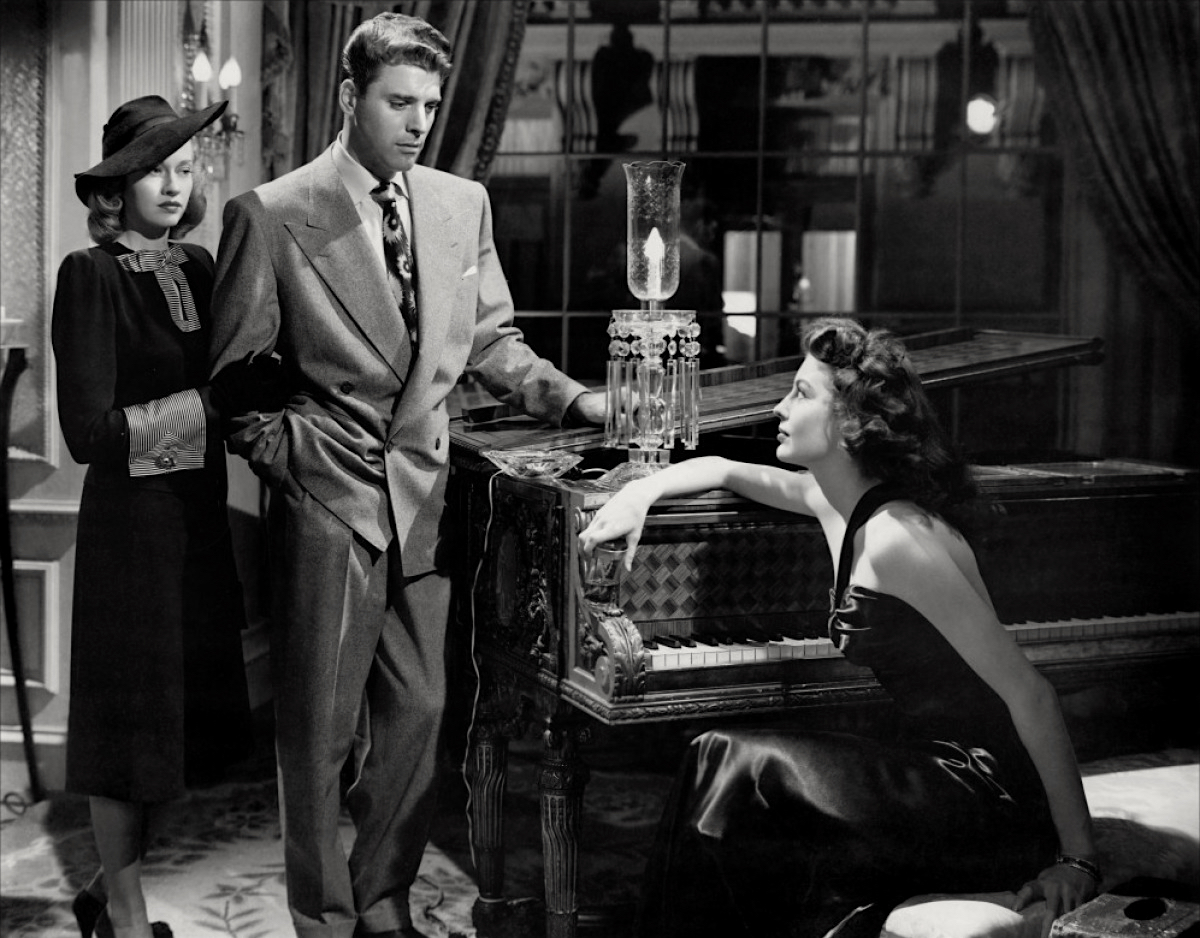
After a lengthy hiatus due to the conditions of the global pandemic, Eddie Muller and the Film Noir Foundation return to Seattle's historic Egyptian Theatre this month with a substantial Noir City program. As the press release states, the lineup will feature "films from all the finer Dark City neighborhoods; Shamus Flats, Knockover Square, Vixenville, Blind Alley and Hate Street, with stops at The City Desk, The Psych Ward, Losers' Lane, The Big House and other dark alleys." This year, Muller will serve not only as host, but also as the inspiration for the program. The 17 films chosen for this year’s festival were selected from those referenced in his bestselling book "Dark City: The Lost World of Film Noir", which was just recently published in a newly expanded edition. With the book's reprinting this past fall, Muller spoke at-length with NPR's Terry Gross, plumbing the genre's "Celebration of Cinema's Double Crosses and Doomed Characters", that populate "The Lost World of Film Noir". The last occasion Muller was in Seattle, some two years ago now, was for Noir City: International Edition II which continued the programming last seen in the first of the Noir City: International Editions, with geographically framed sets and quartets of films originating from far flung corners of the world. Previously, we also saw 2019's Noir City: Film Noir in The 1950s program which tracked the beginning of the decline of the American studio system, and into a fresh cinematic landscape where the genre was to be refashioned, both subtly and radically, for a new generation. Other previous iterations have been formatted in a Film Noir from A to B presentation involving "A" and "B" double bills, in both low budget and high production value features, and the outstanding set of Noir City: The Big Knockover - Heists, Holdups and Schemes Gone Awry, after the festival's brief hiatus and return to Seattle in 2016. Outside of the annual return of the Noir City Festival, this decade inaugurated Muller's new permanent residence on TCM with the launch of his Saturday night Noir Alley showcase. Muller and his show have become a central component and representation of how "Turner Classic Movies Is Changing. And Trying to Stay the Same." His weekly selections and introductions act as more than just a showcase for the Film Noir Foundation and their partners at The UCLA Film & Television Archive, but instead a global overview of the social concerns, look, sound, aesthetic, and feel that define the Dark Passages of film noir.

Tuesday, February 1, 2022

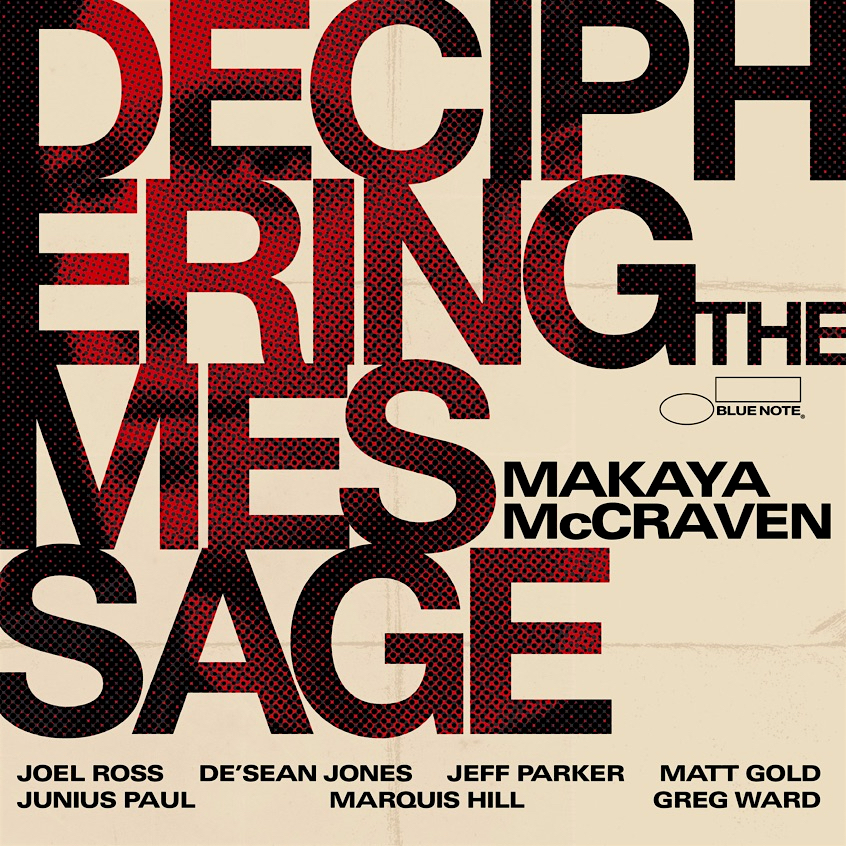
Makaya McCraven “Deciphering the Message" & West Coast Tour: Feb 18 - 26 | "Makaya McCraven Sees the Future of Jazz Through Layers of History" | The New York Times


The Guardian's primer to the contemporary body of musicians comprising the new UK jazz sound, "The British Jazz Explosion: Meet the Musicians Rewriting the Rulebook" might be the most satisfying single read on the scene on the other side of the Atlantic, but the concurrent set of musicians in the midwest's windy city, have met their challenge with an equal and voluminous set of releases. Drummer Makaya McCraven has been a pivotal figure in this Chicago scene since the earliest of the releases issuing from him and a set of regular collaborators heard on his "In The Moment" from 2015. Featuring nineteen rhythmic jams that were born of improvisation, this wasn't a cacophonous free jazz, but instead a new body of groove-oriented spontaneous soul jazz that was culled from 48 hours of recordings spanning 28 shows. A multitude of live chops on display alongside dense processes, synth lines, and rhythmic programming, that album acted as a foreshadowing for the more-intensive studio construction that is his debut for the legendary Blue Note label. This meeting of a new scene and sound, with the longest running legacy in American jazz is the locus of the New York Times "Makaya McCraven Sees the Future of Jazz Through Layers of History" feature on the musician, and their wider overview, "Chicago and Jazz at Play, Ideally." His interview for The Guardian, "‘Evolution is Part of Tradition’: Musician Makaya McCraven on the Future of Jazz" maps the last decade in which McCraven cemented his status as one of the most individual voices in contemporary jazz, pioneering his technique with a group of local collaborators to create the albums, "Universal Beings", "Highly Rare", and his astute reconfiguration of Gil-Scott Heron, "We're New Again", straddling improvisation and influences culled from neo-soul, and hip hop's mentality and approach to sample splicing.

All of which became more explicit on his deeper foray in beat sciences with 2021's "Deciphering the Message". It's belated live component will finally be swinging through the west coast with a series of shows spanning February, including a date at Seattle's Neptune Theatre. This newest album is craftily camouflaged as a homage to the Blue Note Records hard-bop catalog of the 1960s, in which McCraven has seamlessly assembled a mix of live shows of his own band, clips of the classic Blue Note originals, and his hip hop schooled gifts for making cutting-edge beats out of almost any sonic element and recorded sound. "Deciphering the Message" contributes another facet to McCraven's growing discography; the ability to assimilate and reconfigure some of the legendary height's of jazz past, into a liquid, changeable new form of his own making. While it has been a soul-stifling year due to the continuance of the global pandemic, McCraven is among a 21st century body of musicians effectively "Rewriting the Rules of Jazz", who have produced bountiful collaborations and an array of top-notch albums. Most notably new releases from Chicago's International Anthem label, New York's Eremite, and the UK's scene represented by Gilles Peterson's Brownswood Recordings label have gone against the grain of the year's inertia. Culled from all of these, London's Soul Jazz Records have assembled the most comprehensive overview of this chiaroscuro with their "Kaleidoscope: New Spirits Known & Unknown" compilation, fixating heavily on both the London and Chicago players. From these cities and respective scenes, in the last year we've also seen releases like Joshua Abrams' Natural Information Society in collaboration with Evan Parker and the lush expanse of Floating Points wondrous new collaboration with Pharoah Sanders on "Promises".

Sunday, January 2, 2022

:::: FILMS OF 2021 ::::


TOP FILMS OF 2021 IN NO PARTICULAR ORDER
-----------------------------------------------------------
Jane Campion  "The Power of the Dog"  (New Zealand)
Joanna Hogg  "The Souvenir Part II"  (United Kingdom)
Ryusuke Hamaguchi  "Wheel of Fortune and Fantasy"  (Japan)
Ryusuke Hamaguchi  "Drive My Car"  (Japan)
Apichatpong Weerasethakul  "Memoria"  (Colombia)
Phil Tippett  "Mad God"  (United States)
C. W. Winter & Anders Edström  "The Works and Days (of Tayoko Shiojiri in the Shiotani Basin)"  (Japan)
Jóhann Jóhannsson  "Last and First Men"  (Iceland)
Mia Hansen-Løve  "Bergman Island"  (France)
Pedro Almodóvar  "Parallel Mothers"  (Spain)
Ahmir Thompson  "Summer of Soul  (...Or, When the Revolution Could Not Be Televised)"  (United States)
Dalibor Barić  "Accidental Luxuriance of the Translucent Watery Rebus"  (Croatia)
Anocha Suwichakornpong & Ben Rivers  "Krabi, 2562"  (Thailand)
Kyoshi Sugita  "Haruhara-san's Recorder"  (Japan)
Yang Lina  "Spring Tide"  (China)
Mohammad Rasoulof  "There is No Evil"  (Iran)
Masashi Yamamoto  "Robinson's Garden"  Restored Rereleased  (Japan)
Ulrike Ottinger  "Freak Orlando"  Restored Rereleased  (Germany)
Claire Denis  "No Fear, No Die"  Restored Rereleased  (France)
Edmund Goulding  "Nightmare Alley"  Restored Rereleased  (United States)
Raúl Ruiz & Valeria Sarmiento  "The Wandering Soap Opera"  Restored Rereleased  (Portugal)
Paul Schrader  "The Card Counter"  (United States)
Paul Verhoeven  "Benedetta"  (France)
Julia Ducournau  "Titane"  (France)
Cary Joji Fukunaga  "James Bond: No Time to Die"  (United Kingdom)
Rolin Jones, Ron Fitzgerald & Tim Van Patten  "Perry Mason"  (United States)

For decades this annual entry has acted as an overview of music, dance, theatre and performance art attended, films seen in the cinema, visual art exhibitions and fairs, festivals covered, and international and domestic destinations traveled. Due to the necessary and elementary considerations of the global coronavirus pandemic, and its effect amplified and protracted by the initial federal response and the politicization of the pandemic, very little of which transpired, again, this year. As a product the overview for 2021 will have a brevity not seen in almost twenty years of adventures in sight and sound. Born of necessity, and almost instantaneously early in the pandemic, the web became the surrogate for these experiences. With both live and archival music performances and the streaming of theatrical and festival offerings. Yet these deliver only a modicum of the sensations, social engagement, and sensory thrills and satisfactions of cultural happenings. The pragmatic response would be to accept the inherent losses and embrace what vestiges of a cultural life that could be salvaged. Yet these are poor surrogates, even temporarily. Subsequently, the first eight months of the year involved taking armchair routes to the year's memorable sights and sounds, devoid of the richness found in experience, in-person social engagement, and cultural context.

With the larger part of life being spent in our homes, the paths to engaging with film and music have been almost exclusively limited to those offered online. And while it’s role may be reduced in the age of streaming, the magazine, both print and digital can still be a defining tastemaker amid the multitude of channels in which to discover new music. For those not finding compelling sounds via their internet trawls, streaming platforms and online retailers like Boomkat, online institutions like The Quietus, and print entities like Blank Forms represent the kind of expertise you’ll not find coherently brought together online outside the framework of such vision and publishing legacy. Evolving righ along with the times from a free improv, modern classical and jazz magazine in the 1970s, by the 1980s The Wire  expanded its scope to include post-rock and electronic music. Coming to the 1990s to evolve into the all-inclusive hip hop, dub and reggae, noise, punk, post-everything, jazz, black and doom metal, bass music, dance, techno and house, free folk, psych, kraut and nipponese rock, minimalism, sound-art, and out-sounds publication it became by the conclusion of the 20th century. A particular advantage at year's end, is that the magazine offers the opportunity to Listen to The Wire Top 50 Releases of 2021. Similarly, film institutions like those below offer a worldly scope, compiling the life’s work of people who have made watching their enterprise. Year and year again, Sight & Sound, Film Comment, Cinema-Scope, Criterion Collection's The Current, and The Guardian's excellent film coverage have brought focus to the year of moving pictures from around the globe.

With the arrival and wider availability of the various vaccines, after a year and a half of navigating the complexities of the pandemic restrictions and closures, in-person programming returned in August and September to many of the regional arts venues. Early fall saw the first major steps towards reopening after nearly eighteen months of closure for the regional independent music venues, and Seattle's independent cinemas. Prioritizing the safety of their patrons, proof of vaccination, facial coverings and capacity limits were established as prerequisites by the majority of these community cultural settings. In many cases, their future remained uncertain until as recently as this past February when the federal stimulus bill was approved and the funding for arts and culture that came with it. Relief funding became available with the benefits of the Save Our Stages Act finally beginning to arrive, alongside the newly implemented Shuttered Venues Grant. The benefits of the various pandemic relief bills, alongside regional infrastructure like the 4Culture Relief Fund, awareness efforts like the Washington Nightlife Music Association, crowdfunding and philanthropy like the ArtistRelief, ArtsFund grant, and GiveBig Washington have come in the 11th hour for many of these venues and institutions.